Follow ancient Dilmun
Begin at the National Museum, then connect the exhibits with Bahrain Fort and its site museum.
Plan a heritage day →Ancient places, living traditions, desert roads and days by the sea. Let us help you discover a Bahrain you’ll remember.
Bahrain’s story is tied to the sea: the trade of ancient Dilmun, the pearl divers of Muharraq and the waterfronts of today. A visit can take you from archaeological remains to market streets, from a craft workshop to the coast.
Choose what interests you. We can help shape a visit around your time, your pace and the things you would most like to experience.
Why Bahrain inspired our name →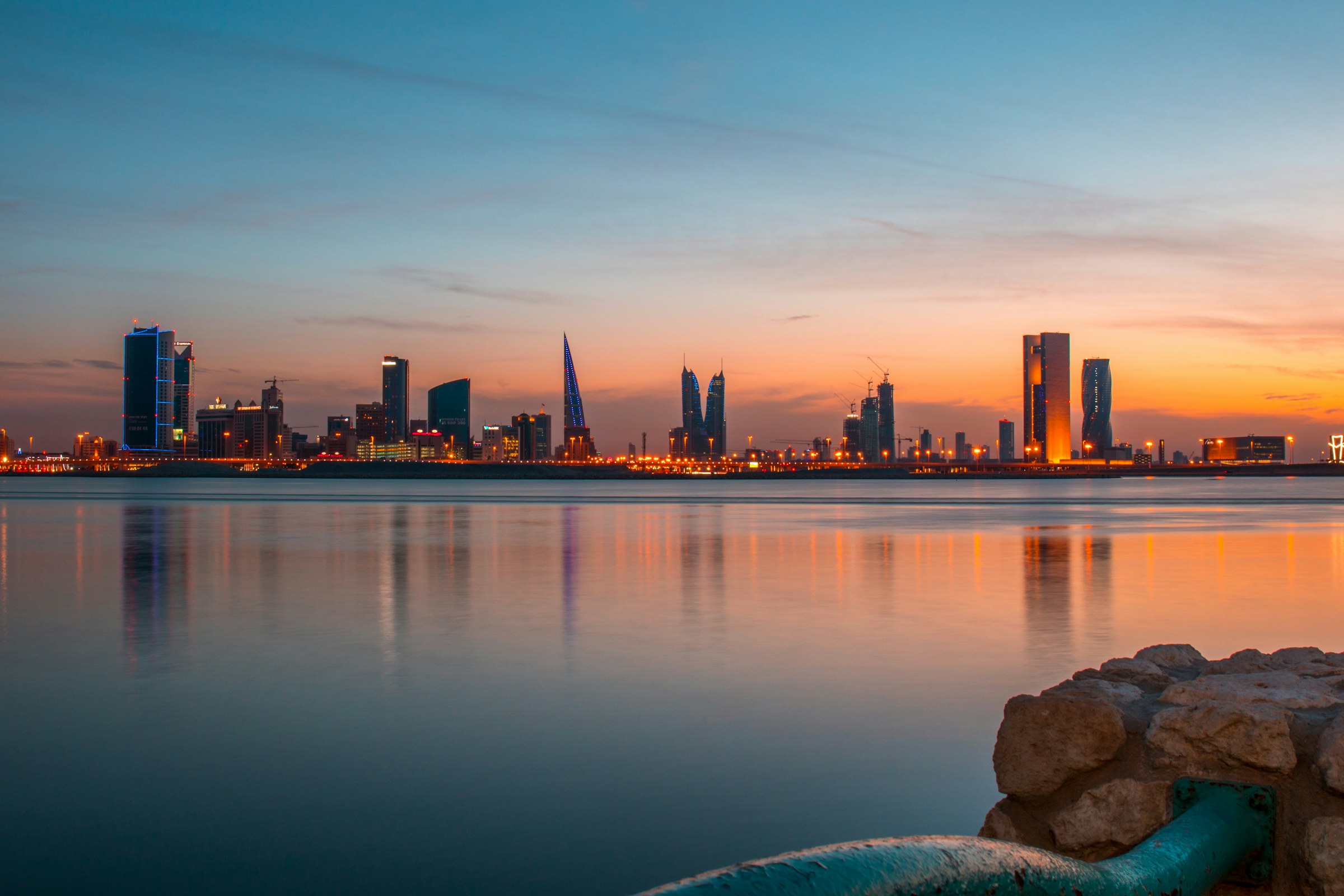
Explore 20 places from our Bahrain guide. Open a place to see its story, experiences and planning notes.
20 places to explore
Manama · Ancient places & heritage
The National Museum introduces Bahrain through archaeological collections, manuscripts, and displays of everyday life. Its interpretation connects Dilmun, the Tylos period, Islamic history, and more recent traditions. Opened in 1988, it provides a useful starting point before visiting the island’s archaeological landscapes.
Archaeology. Objects from excavations help explain ancient settlement, burial practices, and Bahrain’s connections with neighbouring regions. Use the displays to give context before a visit to the fort or burial grounds.
Traditional life. Recreated trades and household scenes introduce crafts, customs, and market life before the oil economy. They help visitors connect historical objects with the people who used them.
Planning note. Start a cultural itinerary here, then continue to the fort or Muharraq. Confirm gallery access and temporary exhibitions; allow quieter viewing time rather than rushing through the halls.
Ask us to include this in your Bahrain visit →Northern coast near Karbabad · Ancient places & heritage
Qal’at al-Bahrain is an archaeological mound formed by successive settlements. Occupation extends from around 2300 BCE into the sixteenth century CE, with a later fortress above earlier remains. The UNESCO listed property preserves evidence of a major Dilmun harbour and trading centre.
Layers of settlement. Excavated buildings served residential, religious, commercial, and military purposes. Explain that the visible fort and the much older settlement beneath it belong to different historical phases.
Coastal setting. The sea, former harbour, and surrounding landscape help visitors understand the site’s importance in trade. Combine viewpoints with an explanation of how archaeology reveals changes over time.
Planning note. Pair the site with its museum and allow walking time. Late afternoon is a suggested photography period, subject to opening hours and weather.
Ask us to include this in your Bahrain visit →Beside Bahrain Fort · Ancient places & heritage
The site museum presents objects connected with Bahrain Fort and the island’s wider trading relationships. It complements a walk through the excavations by bringing smaller finds into an interpreted setting. The building also includes visitor facilities and a café overlooking the sea.
Objects and connections. Seals, inscriptions, pottery, coins, and other finds illustrate different periods of occupation. Their materials and origins help explain connections with Mesopotamia and regions farther east.
A combined visit. Viewing objects before or after the fort helps guests connect the landscape with archaeological evidence. The seaside setting can provide a useful rest period within a longer cultural tour.
Planning note. Treat museum admission and fort access as separate items to confirm. Allow time for the exhibits before adding any café break to the schedule.
Ask us to include this in your Bahrain visit →Historic Muharraq · Ancient places & heritage
The Pearling Path explores the communities behind Bahrain’s natural pearl trade. Its UNESCO property includes seventeen buildings, three offshore oyster beds, part of the shore, and Bu Mahir Fort. Houses, shops, and storehouses show how the sea shaped urban life.
People behind the industry. The route introduces merchants, captains, divers, and families. Contrasting houses and commercial spaces help explain social relationships and the risks and rewards of pearling.
Architecture and shore. Historic craftsmanship, commercial buildings, and the departure shore connect the city with the oyster beds. The route is part of a living neighbourhood, not an isolated museum compound.
Planning note. Choose a manageable walking segment and confirm which buildings are open. Any boat connection requires a separate current booking check. Allow rest stops and follow conservation guidance.
Ask us to include this in your Bahrain visit →Muharraq · Culture & local life
Souq Al Qaisariya is part of Muharraq’s historic commercial landscape and is associated with the pearling economy. Its restored buildings and small shops provide a setting for understanding how trade and daily life supported maritime work.
Pearling connections. The market was associated with the sale of pearls and supplies, including timber used for pearling vessels. Its place within the Pearling Path gives a market walk a wider historical meaning.
Shopping and local life. Traditional doors and restored spaces sit alongside shops, cafés, and contemporary businesses. Sweets, perfumes, incense, clothing, and household goods are among the products described by Bahrain Tourism.
Planning note. Combine with the Pearling Path rather than repeating the same neighbourhood on separate days. Shop opening hours vary; allow guests time to browse and ask before photographing people.
Ask us to include this in your Bahrain visit →Central Manama · Culture & local life
Manama Souq is a historic market district near Bab Al Bahrain. The gateway, completed in 1949, once stood close to the waterfront and administrative heart of the city. The market links Bahrain’s commercial history with shopping, cafés, and food traditions that continue today.
Gateway and commerce. Use Bab Al Bahrain to explain the former connection between arriving ships and the market. The changing coastline helps visitors understand how Manama has developed.
Market experiences. Gold, textiles, spices, perfumes, and Bahraini sweets provide different routes through the souq. Traditional cafés can introduce local breakfast dishes and the social role of market dining.
Planning note. Plan a walking route with a rest stop and time to browse. Confirm individual shop or restaurant opening hours. Food tasting and shopping purchases should be priced separately in any tour offer.
Ask us to include this in your Bahrain visit →Manama near Juffair · Culture & local life
Al-Fateh is a major place of worship that also welcomes visitors wishing to learn about Islam and mosque architecture. It accommodates approximately 7,000 worshippers. The visitor experience benefits from interpretation by the mosque’s multilingual guides.
Architectural details. The dome, chandeliers, teakwood doors, arches, and Kufic calligraphy are among the features described by Bahrain Tourism. Explain their setting within an active religious building.
Learning through a visit. A guided introduction can provide cultural understanding alongside architectural appreciation. Allow space for questions and follow the guide’s directions about movement and photography.
Planning note. Published tourist hours are Saturday to Thursday, 9 a.m. to 4 p.m.; reconfirm before departure. Follow dress requirements and arrangements around worship.
Ask us to include this in your Bahrain visit →Al Khamis area · Ancient places & heritage
Khamis Mosque is one of Bahrain’s important historic Islamic sites. Its surviving remains, twin minarets, and visitor interpretation provide a setting for discussing the island’s Islamic architectural history. The building has undergone changes and restoration over different periods.
The surviving site. The twin minarets are distinctive features of the landscape. Architectural remains and inscribed stones help explain the mosque’s use and the community around it.
Markets and memory. The name is associated with the Thursday market, connecting religious and commercial life. A visitor centre provides context for the remains and objects discovered at the site.
Planning note. Use a guide or visitor interpretation to distinguish construction phases. Confirm the visitor centre’s access and current hours before including an interior visit.
Ask us to include this in your Bahrain visit →Barbar village · Ancient places & heritage
The Barbar Temples preserve successive phases of a Dilmun religious site. The remains provide a way to discuss ritual practices and Bahrain’s connections with ancient Mesopotamia. Water features and archaeological finds are central to interpretation.
Successive temples. The site contains three temples built over time. Their different layouts show how the religious complex changed rather than representing one building constructed in a single moment.
Water and material evidence. A freshwater well, altars, and finds such as a copper bull’s head contribute to discussion of beliefs and regional connections. Proposed links with the deity Enki should be identified as archaeological interpretation.
Planning note. Combine with a museum visit and Bahrain Fort for a Dilmun theme. The remains are low and exposed, so explanation and a route appropriate to heat and walking ability are valuable.
Ask us to include this in your Bahrain visit →Arad in Muharraq · Ancient places & heritage
Arad Fort is a coastal defensive building that Bahrain Tourism dates to the late fifteenth century. Its later history reflects competing powers and changing uses. The square plan and corner towers offer a clear introduction to fortress design.
Defence and construction. Walls, towers, and the internal courtyard show how the building supported protection and military life. Its position near sea routes helps explain why the location mattered.
Waterfront context. A walk around the setting can connect the fort with Muharraq’s maritime geography. Cultural events sometimes use the surrounding area, but they require a separate calendar check.
Planning note. Add this as a shorter stop within a Muharraq itinerary. Confirm admission and site access; use the waterfront as an optional extension when conditions are comfortable.
Ask us to include this in your Bahrain visit →Riffa overlooking Wadi Al Hunainiyah · Ancient places & heritage
Sheikh Salman bin Ahmed Al-Fateh Fort, commonly called Riffa Fort, was built in 1812 on an earlier site. It served residential and defensive purposes and is associated with the history of the ruling family. Its valley setting is part of the experience.
Fort and residence. Rooms, courtyards, a prayer area, kitchen, and storage spaces reflect different functions. The building can be used to explain the relationship between residence and defence.
Valley and exhibitions. The valley below was associated with a freshwater well and local water distribution. Displays have included objects connected with the Al Khalifa family and traditional activities.
Planning note. Check directly with the culture authority before promising entry; renovation closures have been reported. If access is unavailable, use a confirmed alternative rather than selling an interior visit.
Ask us to include this in your Bahrain visit →Al Jasra on the western coast · Culture & local life
Built in 1907, Al Jasra House presents a traditional domestic setting and is associated with the birth of the late Amir Isa bin Salman Al Khalifa in 1933. Its rooms and furnishings help explain household life and rural architecture.
Courtyard and rooms. A central courtyard is surrounded by rooms for sitting, sleeping, cooking, and storage. Wooden doors, windows, shelves, and household objects draw attention to the practical details of daily life.
Dates and domestic work. The madbasa, used in date molasses production, provides a link between agriculture and food. Coffee pots, chests, utensils, and textiles can support discussion of hospitality and household routines.
Planning note. Pair the house with the nearby handicrafts centre. Confirm current opening hours and allow time for interpretation rather than treating it as a quick photograph stop.
Ask us to include this in your Bahrain visit →Al Jasra · Culture & local life
The handicrafts centre brings together traditional skills and contemporary efforts to pass them on. Its workshops introduce the materials, tools, and processes behind objects used in Bahraini life. Some visits may include demonstrations, courses, or opportunities to buy handmade items.
Crafts and makers. Pottery, basket making, weaving, embroidery, woodwork, model boatbuilding, and other trades are among those described by Bahrain Tourism. An artisan’s explanation adds meaning beyond the finished object.
Participation. Courses and hands-on sessions can extend the experience when available. A workshop needs a confirmed time, group capacity, duration, and price; it should not be assumed within ordinary admission.
Planning note. Check which artisans are working on the intended day and reserve any participatory session. Allow time to speak with makers and browse suitable locally made souvenirs.
Ask us to include this in your Bahrain visit →Southern Sakhir desert · Desert & motorsport
The Tree of Life, or Shajarat Al Hayat, is an isolated tree in Bahrain’s southern desert. Its broad branches and survival in an arid landscape have made it a familiar natural landmark. A visitor centre provides information about the tree and surrounding discoveries.
Landscape and observation. The contrast between the tree and the surrounding terrain is the main experience. Give visitors time to observe the setting rather than presenting the visit only as a photograph stop.
Stories and evidence. Many stories concern the tree’s age and water supply. Present legends as legends, and avoid giving a precise planting date, botanical identification, or water explanation as settled fact without specialist support.
Planning note. Combine with a Sakhir journey and plan around heat and daylight. Protect the tree, avoid climbing or disturbing it, and follow the site’s visitor guidance.
Ask us to include this in your Bahrain visit →Sakhir · Desert & motorsport
Bahrain International Circuit hosted the Middle East’s first Formula One Grand Prix in 2004. Its visitor offer extends beyond major race occasions to tours, karting, and other motorsport activities. Each experience needs its own current arrangements.
Circuit visits. A booked tour can explain the venue and its role in international motorsport. A photograph stop, a guided tour, and race attendance are different products and should be described separately.
Participation and events. Karting and driving experiences provide more active options. Eligibility, equipment, session times, and the type of vehicle or track access depend on the operator’s programme.
Planning note. Confirm the precise experience before quoting a package. Race weekends require separate ticket, transfer, timing, and crowd planning.
Ask us to include this in your Bahrain visit →Manama beside the National Museum · Culture & local life
The National Theatre adds a contemporary performing arts dimension to Bahrain’s cultural landscape. Its waterfront location beside the National Museum allows a route to connect archaeological collections with modern cultural production and architecture.
Architecture and setting. The building and surrounding water provide a different visual experience from the museum galleries. An exterior visit can be included in a waterfront walk.
Performances. Attending a performance gives the venue a fuller purpose within an itinerary. Event dates, tickets, seating, and any admission requirements should be confirmed directly.
Planning note. Pair an exterior stop with the museum, or build an evening around a confirmed performance. Do not promise interior access when no tour or ticket has been arranged.
Ask us to include this in your Bahrain visit →Manama waterfront · Sea & island days
Bahrain Bay is a modern waterfront district combining business, accommodation, landscaped public spaces, and dining. Its promenades and skyline offer a contemporary view of Manama, complementing visits to older market and heritage areas.
Walking and public spaces. The Wharf, Gardens, and Park provide different waterfront settings. Walking routes, art, green areas, and family spaces can form a relaxed part of the day.
Activities on the water. Kayaking, paddleboarding, gondola experiences, and water taxis are among the services described by Bahrain Tourism. Confirm the operator, departure point, conditions, and current availability.
Planning note. Use as a flexible late-day stop or dining period. Price boat or watersport activities separately, and confirm operation before including them in a fixed programme.
Ask us to include this in your Bahrain visit →Off Bahrain’s eastern coast · Sea & island days
Jarada is a tidal sandbank whose exposed area changes with the sea. Clear water and open sand form the main attraction. The visit depends on a suitable tidal window and a properly arranged boat journey.
Sea and sand. Guests may spend time relaxing, swimming, or enjoying the setting, according to conditions and operator arrangements. There are no permanent buildings or facilities on the sandbank.
A coordinated excursion. Transport, supplies, refreshments, and the return journey must be arranged before departure. Boat travel time varies with departure point, vessel, and sea conditions.
Planning note. Confirm tide, weather, departure location, safety arrangements, inclusions, and cancellation terms. Do not present it as an all-day island with permanent visitor facilities.
Ask us to include this in your Bahrain visit →Southwestern coast · Sea & island days
Bilaj Al Jazayer is a beach destination for time by the sea. It can provide a leisure-focused segment alongside a cultural itinerary, particularly for guests who want a slower day rather than continuous sightseeing.
Beach experience. Choose the intended beach area and facilities according to the group’s needs. Swimming, relaxing, and coastal photography can be considered when conditions and local arrangements permit.
Planning a beach visit. Public access, managed facilities, rentals, and commercial services may have different terms. Confirm what is actually included rather than assuming that every facility is part of entry.
Planning note. Check access, current charges, facilities, and available shade before departure. Allow guests to choose a suitable length of stay and reconfirm any paid activity.
Ask us to include this in your Bahrain visit →Hawar Island · Sea & island days
Hawar offers an island setting away from mainland sightseeing. Hawar Resort by Mantis provides a managed accommodation and recreation experience within that setting. A resort booking and a general exploration of the islands are different arrangements.
Island accommodation. The resort advertises rooms and villa options with dining and wellness facilities. Select the accommodation type and transfer plan according to the actual booking.
Nature and activities. The island setting supports an interest in landscape and wildlife, while the resort offers organised recreation. Activities, access, and wildlife observations depend on conditions and the booked programme.
Planning note. Confirm boat transfers, departure point, luggage arrangements, accommodation or day-pass eligibility, and exact inclusions. Present sustainability statements as the operator’s claims rather than independently verified outcomes.
Ask us to include this in your Bahrain visit →Starting ideas to shape together. Each visit is confirmed around access, timings and your needs.
Begin at the National Museum, then connect the exhibits with Bahrain Fort and its site museum.
Plan a heritage day →A selected Pearling Path walk, the souq and time to discover the stories behind the pearl trade.
Explore culture & local life →Time by the beach, a tide-dependent Jarada excursion, or a confirmed Hawar stay. Different ways to enjoy the sea.
Ask about a coastal escape →Ideas adapted from the Bahrain destination guide supplied to Dilmun Journeys. Historical context: UNESCO Bahrain Fort and UNESCO pearling heritage. Access, activities, boat trips, entry conditions and prices are confirmed for your dates before booking.